Niedriger, grüner und sanfter als das Hochplateau ist Nyingchi der bewaldete Südosten Tibets – berühmt für die Pfirsichblüte im Frühling, die Yarlung-Tsangpo-Schlucht und die mildere Höhe. Hier erfahren Sie, was es zu sehen gibt und wann man reisen sollte.
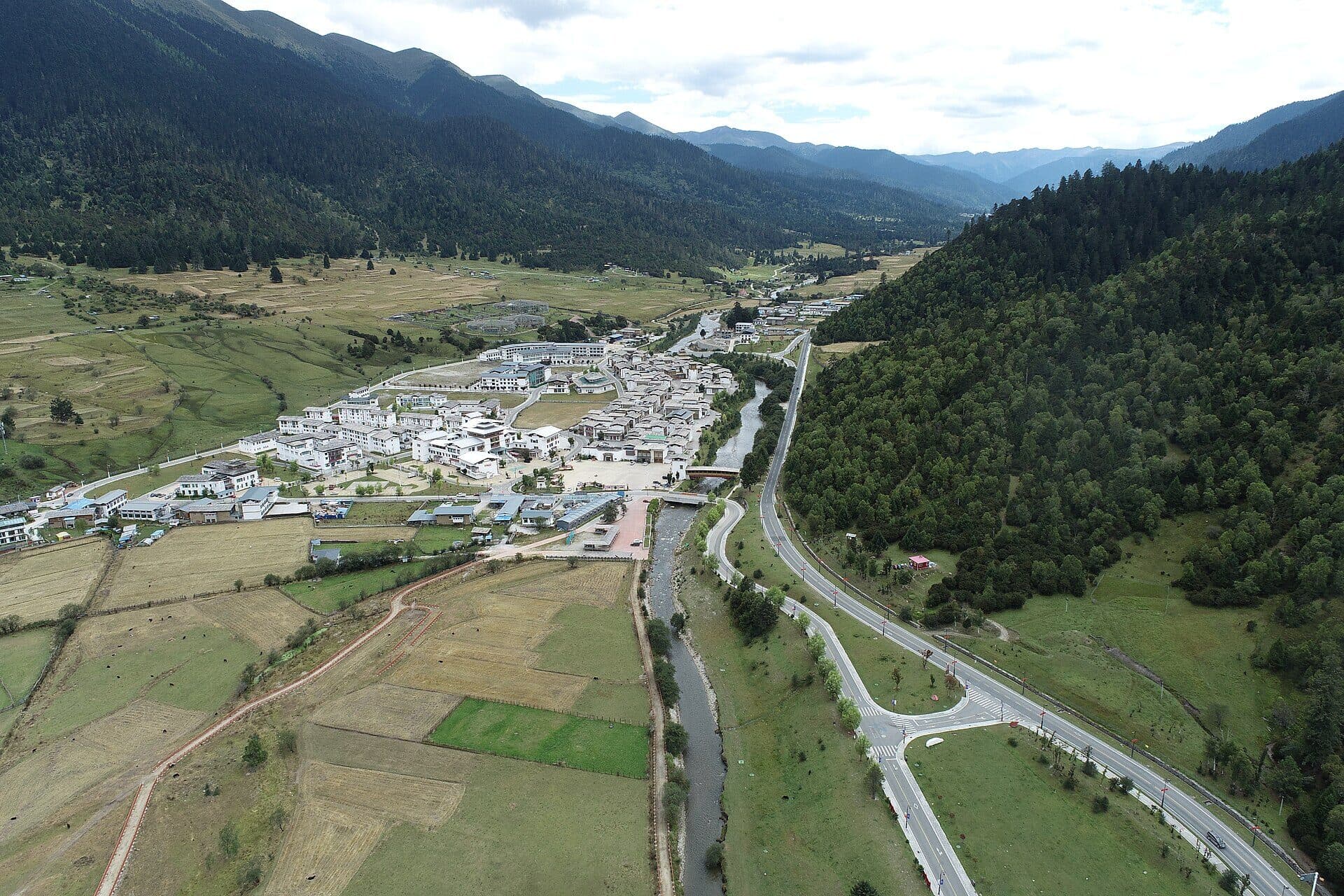
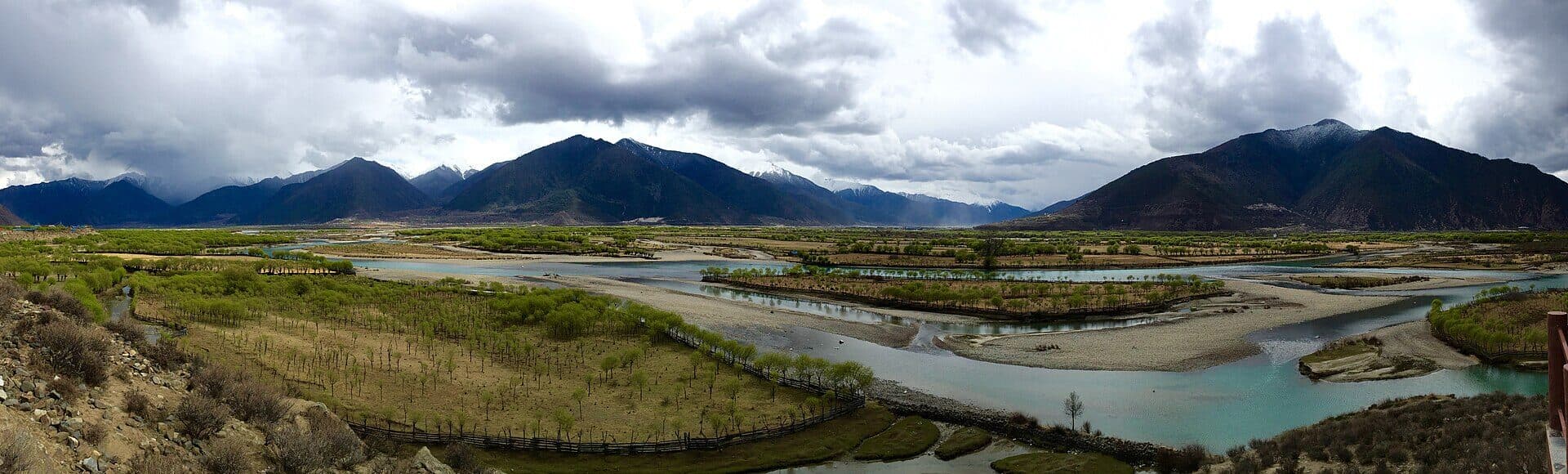
Nyingchi überrascht fast jeden. Die meisten Menschen stellen sich Tibet als baumlose Hochwüste vor, doch der Südosten der Region ist ein Land tiefer Flussschluchten, Fichtenwälder, Almwiesen und – im Frühling – von Hängen, die mit wilder Pfirsichblüte bedeckt sind. Auf durchschnittlich rund 2.950 Metern gelegen, deutlich niedriger als Lhasa, wird Nyingchi manchmal die „Schweiz Tibets“ genannt, und seine mildere Höhe macht es zu einem der angenehmsten Teile des Hochlands für Erstbesucher.
Eine andere Seite Tibets
Der Grund, warum Nyingchi so anders aussieht, ist die Geografie. Warme, feuchtigkeitsgesättigte Luft drückt von Süden her das Yarlung-Tsangpo-Tal hinauf, bewässert die Hänge und nährt Wälder, die auf dem Hochplateau schlicht nicht wachsen können. Das Ergebnis ist eine Landschaft aus grünen Tälern, reißenden Flüssen und Schneegipfeln, die direkt über der Baumgrenze aufragen.
Für Reisende ist der praktische Vorteil die Höhe. Weil Nyingchi deutlich niedriger liegt als Lhasa und mehr Sauerstoff in der Luft hat, ist ernsthafte Höhenkrankheit hier weniger wahrscheinlich, und viele Menschen empfinden es als angenehmen Ort, um sich einzugewöhnen, bevor sie höher hinaufziehen.
Die Pfirsichblütensaison
Nyingchis charakteristisches Schauspiel ist seine Pfirsichblüte im Frühling, die meist von Mitte März bis in den April kommt. Für ein paar Wochen färben sich ganze Täler rosa und weiß, wenn wilde Pfirsichbäume vor einer Kulisse aus schneebedeckten Bergen und traditionellen Dörfern erblühen. Der genaue Zeitpunkt verschiebt sich mit der Höhe – tiefere Lagen blühen zuerst, höhere später –, sodass eine gut geplante Reise die Blüte über mehrere Tage hinweg die Täler hinauf verfolgen kann. Es ist einer der fotogensten Momente im gesamten tibetischen Kalender und zieht Besucher gezielt für dieses Schauspiel an.
Was es zu sehen gibt
Nyingchi belohnt langsames Reisen und Panoramafahrten. Zu den häufigsten Höhepunkten zählen:
- Namcha Barwa, der dramatische 7.782 Meter hohe Gipfel, der die Region prägt. Wenn die Wolken sich lichten, ist seine Schneepyramide, die über der bewaldeten Schlucht aufragt, unvergesslich.
- Die Yarlung-Tsangpo-Schlucht, eine der tiefsten Schluchten der Erde, wo der große Fluss seine Kehre durch den Himalaya nimmt.
- Basum Tso (Basum-See), ein stiller smaragdgrüner See, umringt von Wald, mit einem kleinen Inselkloster – ideal für einen entspannten halben Tag.
- Lulang-Wald und -Wiesen, weite Almweiden, Fichtenwälder und Holzdörfer, die sich anfühlen wie eine Welt fernab des Hochplateaus.
Menschen und Kultur
Nyingchi ist nicht nur Landschaft. Die Region beheimatet eine reiche Mischung von Völkern, darunter Gemeinschaften wie die Monpa und Lhoba, deren Bräuche, Kleidung und Architektur sich von denen Zentraltibets unterscheiden. Dörfer aus Holzhäusern, terrassierte Felder und Obstgärten verleihen den Tälern einen sesshaften, landwirtschaftlichen Rhythmus, ganz anders als das Hirtenleben des Hochplateaus. Lokale Spezialitäten, vom Steintopf-Huhn bis zu Hochland-Gerstengerichten, spiegeln das wärmere, fruchtbarere Land wider, und eine Mahlzeit in einer Dorfpension ist oft ein stiller Höhepunkt. Reisende, die hier zur Ruhe kommen, stellen fest, dass die menschliche Landschaft ebenso eigen ist wie die natürliche.
Basum Tso (Draksum-tso) im Detail
Von den oben aufgeführten Sehenswürdigkeiten lohnt der Basum Tso das längste Verweilen. Der auch als Draksum-tso geschriebene See liegt in einer bewaldeten Mulde im Kreis Gongbo'gyamda und ist über eine Nebenstraße von der Hauptroute Lhasa–Nyingchi zu erreichen. Sein stilles, tiefgrünes Wasser spiegelt die umliegenden Gipfel, und auf einer kleinen bewaldeten Insel nahe dem Ufer liegt ein bescheidenes Kloster, Tsodzong Gompa, das der Nyingma-Schule zugerechnet wird und nach lokaler Überlieferung mit Guru Rinpoche verbunden ist. Ein Pfad führt durch Nadelwald um einen Teil des Sees, und kurze Bootsüberfahrten zur Insel gibt es in der Saison meist. Es ist eher ein entspannter, gemächlicher halber Tag als ein Hauptdenkmal, und genau darin liegt sein Reiz nach den großartigeren Stationen andernorts in Tibet.
Die Bahnstrecke Lhasa–Nyingchi
Die Überlandstraße von Lhasa ist nicht mehr der einzige Weg dorthin. Eine Bahnstrecke zwischen Lhasa und Nyingchi wurde 2021 als erster fertiggestellter Abschnitt der Sichuan–Tibet-Bahn eröffnet; sie ist etwa 435 km lang und verkürzt die Fahrt auf rund dreieinhalb Stunden, gegenüber fünf Stunden oder mehr auf der Straße. Es ist eine elektrifizierte, für die Bedingungen des Hochlands gebaute Strecke, auf der Züge verkehren, mit mehreren Bahnhöfen unterwegs, darunter eine Verbindung in Richtung Shigatse. Nicht jede Tour nutzt den Zug, denn die Straßenfahrt mit ihrer Tal- und Passlandschaft ist selbst Teil des Erlebnisses, doch es lohnt sich, Ihren Veranstalter danach zu fragen, wenn Sie die Fahrzeit lieber verkürzen oder wenige Tage haben. Langfristig ist diese Strecke der Eröffnungsabschnitt einer viel größeren Bahnlinie, die einmal Chengdu und Lhasa verbinden soll; der Rest dieser Route ist noch im Bau, sodass der Zug vorerst nur innerhalb Tibets fährt.
Anreise
Nyingchi liegt östlich von Lhasa und ist auf der Straße, mit der oben beschriebenen Bahnstrecke Lhasa–Nyingchi oder per Flug zum Flughafen Nyingchi Mainling zu erreichen, der Verbindungen aus mehreren Städten des Festlands hat. Die Überlandroute von Lhasa ist selbst ein Anreiz, sie folgt Flusstälern und überquert bewaldete Pässe, und eine neue Schnellstraße hat die Fahrt in den letzten Jahren erheblich verkürzt.
Für die meisten ausländischen Besucher wird Nyingchi einer Reiseroute mit Ausgangspunkt Lhasa hinzugefügt, statt allein besucht zu werden. Es eignet sich wunderbar als Erweiterung, die die Höhenkurve abmildert und die Reise über Klöster und Hochseen hinaus erweitert. Da alle Reisen hier auf einer geführten, genehmigten Tour stattfinden, werden Routenführung und Zeitplan für Sie arrangiert; das gesamte Spektrum der Reiserouten finden Sie auf unserer Seite Tibet-Touren, und über die Anreise in die Region lesen Sie in unserem Leitfaden Anreise nach Tibet. Das vollständige Bild des Ortes selbst bietet unsere Nyingchi-Zielseite, die dasselbe Terrain aus der Perspektive der Reiseplanung abdeckt, mit den Touren, die den Ort besuchen, daneben aufgelistet.
Ein gängiger und lohnender Plan ist, sich zunächst in Lhasa zu akklimatisieren und dann zwei oder drei Tage nach Osten nach Nyingchi zu reisen, mitten zwischen Wälder und Schluchten, bevor man zurückkehrt. Manche Reisende fliegen auch direkt nach Nyingchi, um auf geringerer Höhe sanft zu beginnen, und ziehen dann weiter hinauf nach Lhasa, was die Höhenkurve noch sanfter machen kann. So oder so sind die Fahrten selbst Teil des Erlebnisses, mit Flusstälern, Pässen voller Gebetsfahnen und Dörfern, die sich am Wegesrand entrollen. Weitere Hinweise zur Taktung einer Route rund um die Höhe des Hochlands finden Sie in unserem Ratgeber zur Höhenkrankheit und unter beste Reisezeit für Tibet.
Eine sanftere Wahl für Familien und Erstreisende
Da Nyingchi rund 700 Meter niedriger liegt als Lhasa, ist es auch für Reisende eine Überlegung wert, die bei der Höhe vorsichtiger sind: Familien mit kleinen Kindern, ältere Reisende oder alle, die sich auf einer früheren Reise ins Hochland schwer akklimatisiert haben. Die Wälder und Flüsse bieten Kindern etwas Unmittelbares jenseits von Klosterinnenräumen, und die kürzeren Fahrten zwischen den Sehenswürdigkeiten sind schonender als ein langer Vorstoß zum Everest oder Kailash. Unser Ratgeber für Reisen mit Familie geht ausführlicher darauf ein, wie sich eine Tibet-Reise nach dem Tempo und Wohlbefinden von Kindern planen lässt; Nyingchi ist einer der besseren Bausteine für eine solche Reise.
Wann man reisen sollte
- Mitte März bis April für die Pfirsichblüte, der Hauptgrund für eine Reise.
- Mai bis Juni und September bis Oktober für klare, angenehme Bedingungen und grüne Landschaften ohne die Menschenmengen der Blütezeit.
- Der Sommer ist warm und üppig, aber die feuchteste Zeit, mit Wolken und Regen, die die Gipfel verbergen können.
- Der Winter ist nach tibetischen Maßstäben mild und sehr ruhig, wenngleich manche höher gelegenen Aussichtspunkte schwerer zu erreichen sein können.
Praktische Hinweise
- Die Höhe ist milder, aber nicht abwesend. Nyingchi liegt niedriger als Lhasa, doch Sie befinden sich weiterhin auf dem Hochplateau, und manche Aussichtspunkte und Pässe sind hoch. Gehen Sie es ruhig an, besonders wenn Sie direkt anreisen.
- Packen Sie für Regen und Sonnenschein. Das feuchtere Klima bedeutet, dass Regenkleidung neben den üblichen Schichten ihren Platz verdient.
- Genehmigungen werden für Sie arrangiert. Reisen über Lhasa hinaus erfordern die Tibet-Reisegenehmigung und etwaige Gebietsgenehmigungen, um die wir uns nach Ihrer Buchung kümmern. Siehe die Seite Tibet-Reisegenehmigung.
- Buchen Sie die Blütensaison früh. Die Wochen der Pfirsichblüte sind beliebt, und die Unterkünfte sind schnell ausgebucht; planen Sie weit im Voraus, wenn der Frühling Ihr Ziel ist. Unsere 12-Tage-Reise Nyingchi, Everest-Basislager & Namtso ist eine ausgezeichnete Wahl, wenn Sie Nyingchi einbeziehen möchten.
Nyingchi ist das Gegenmittel zu jeder Vorstellung, Tibet sei nur karg und hoch. Wälder, Schluchten, Seen und jene erstaunliche Frühlingsblüte machen es zu einer der entspannendsten und schönsten Ecken der Region und zu einer perfekten Ergänzung des kulturellen Herzens rund um Lhasa.
Planen Sie Ihre Tibet-Reise mit uns
Genehmigungen erledigt, lokale Guides, transparente Preise. Nennen Sie uns Ihre Termine und wir senden Ihnen eine maßgeschneiderte Route.
Häufige Fragen
Meist von Mitte März bis in den April. Die Blüte erscheint zuerst in den tieferen Tälern und schreitet in den folgenden Wochen zu höheren Lagen fort, sodass eine gut getimte Reise sie über mehrere Tage hinweg die Täler hinauf verfolgen kann. Es ist eine der beliebtesten Reisezeiten, buchen Sie daher weit im Voraus.